
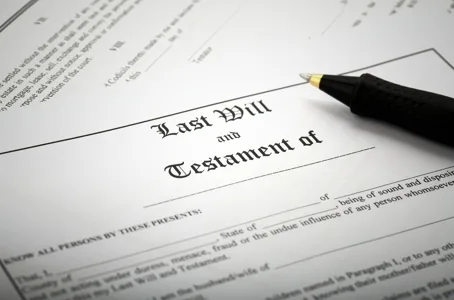
How Long Does It Take to Resolve a Trust or Will Dispute in California?
The time it takes to resolve a trust or will dispute in California can vary widely and depends on several factors, including the complexity of the case, the willingness of the parties to reach a settlement, the court's docket, and the need for formal litigation. While some disputes may be resolved relatively...
How Long Does It Take to Resolve a Trust or Will Dispute in California? Continue reading…

What Happens if a Trust or Will Is Successfully Contested in California?
Contesting a trust or will is never a simple decision. These cases often arise when someone believes a loved one’s final wishes were compromised, whether due to pressure, confusion, or fraud. If a California court agrees and the contest is successful, the outcome can reshape how assets are handled and who receives...
What Happens if a Trust or Will Is Successfully Contested in California? Continue reading…

How Do I Start the Process of Contesting a Trust or Will in California?
Disputes over trusts and wills are more common than many people realize. When questions arise about whether a document is valid or truly reflects someone’s final wishes, California law provides a way to challenge it. Understanding the process of contesting a trust or will, from gathering evidence to filing in court, can...
How Do I Start the Process of Contesting a Trust or Will in California? Continue reading…

How Long Do I Have to Contest a Trust or Will in California?
The time limits for contesting a trust or will in California depend on several factors, including the nature of the document and the circumstances surrounding the dispute. Here are the general guidelines for how long you have to contest a trust or will in California:
Contesting a Will: For wills,...
How Long Do I Have to Contest a Trust or Will in California? Continue reading…

What Are Common Grounds for Contesting a Trust or Will in California?
Common grounds for contesting a trust or will in California include:
Undue Influence
One of the most common reasons for contesting a trust or will is the allegation of undue influence. This occurs when someone exerts pressure, coercion, or manipulation on the person...
What Are Common Grounds for Contesting a Trust or Will in California? Continue reading…

Who Can Contest a Trust or Will in California?
In California, several parties may have the legal standing to contest a trust or will. The eligibility to contest a trust or will typically includes:
Beneficiaries
Individuals named as beneficiaries in the trust or will can contest the document, especially if they believe their share...
Who Can Contest a Trust or Will in California? Continue reading…

Common Breaches of Trustee Duties During Trust and Estate Administration in California
Trustees often fail to meet their obligations, engaging in a variety of breaches that undermine the integrity of trust and estate administration. These infractions include violations of trust, misappropriation of funds, inadequate management, fraudulent activities, failure to act, and conflicts of interest within business endeavors.
California Trustees' Duties...
Common Breaches of Trustee Duties During Trust and Estate Administration in California Continue reading…

How Does a Beneficiary Violate a No Contest Clause Included in a Trust?
A trust is a legal arrangement that allows individuals to transfer their assets and properties to designated beneficiaries upon their passing. Trusts can come with specific conditions and clauses, including a “No Contest Clause,” which serves to deter beneficiaries from challenging the terms of the trust. In California, the enforcement of No...
How Does a Beneficiary Violate a No Contest Clause Included in a Trust? Continue reading…

Trust and Estate Litigation: Defending Trustees Against Breach of Fiduciary Duty Actions in California
Trusts are essential legal instruments used to manage and protect assets for the benefit of designated beneficiaries. Trustees, individuals, or entities appointed to manage trusts bear a significant responsibility to administer the trust in accordance with the highest ethical standards. Fiduciary duty, the legal obligation to act in the best interest of...
Trust and Estate Litigation: Defending Trustees Against Breach of Fiduciary Duty Actions in California Continue reading…

Trust and Estate Fraud: Identifying and Proving Fraudulent Activities in Trust and Estate Matters
Estate planning involves the meticulous arrangement of one’s assets and property to ensure the orderly transfer of wealth to chosen beneficiaries upon the individual’s passing. However, amidst the complexity of these arrangements lies the potential for fraudulent activities, including forgery, that can jeopardize the intended distribution of assets. Identifying and proving trust...
Trust and Estate Fraud: Identifying and Proving Fraudulent Activities in Trust and Estate Matters Continue reading…

Avoiding Estate Litigation: How a Newport Beach Estate Planning Attorney Can Help You
Estate planning is an important step in ensuring the smooth transfer of assets and minimizing conflicts among beneficiaries. However, even with a well-drafted estate plan in place, disputes can arise, leading to costly and emotionally draining estate litigation. To protect your wishes and maintain family harmony, it is essential to seek the...
Avoiding Estate Litigation: How a Newport Beach Estate Planning Attorney Can Help You Continue reading…

How a Newport Beach Probate Lawyer Can Help You Prepare for a Trust Litigation Case
Trust litigation can be a complex and challenging legal process. When disputes arise concerning trusts, beneficiaries, trustees, or other fiduciaries, seeking the guidance of an experienced probate lawyer is essential. In Newport Beach, California, a skilled probate lawyer can help you navigate the intricacies of trust litigation and ensure your rights are...
How a Newport Beach Probate Lawyer Can Help You Prepare for a Trust Litigation Case Continue reading…